 11
11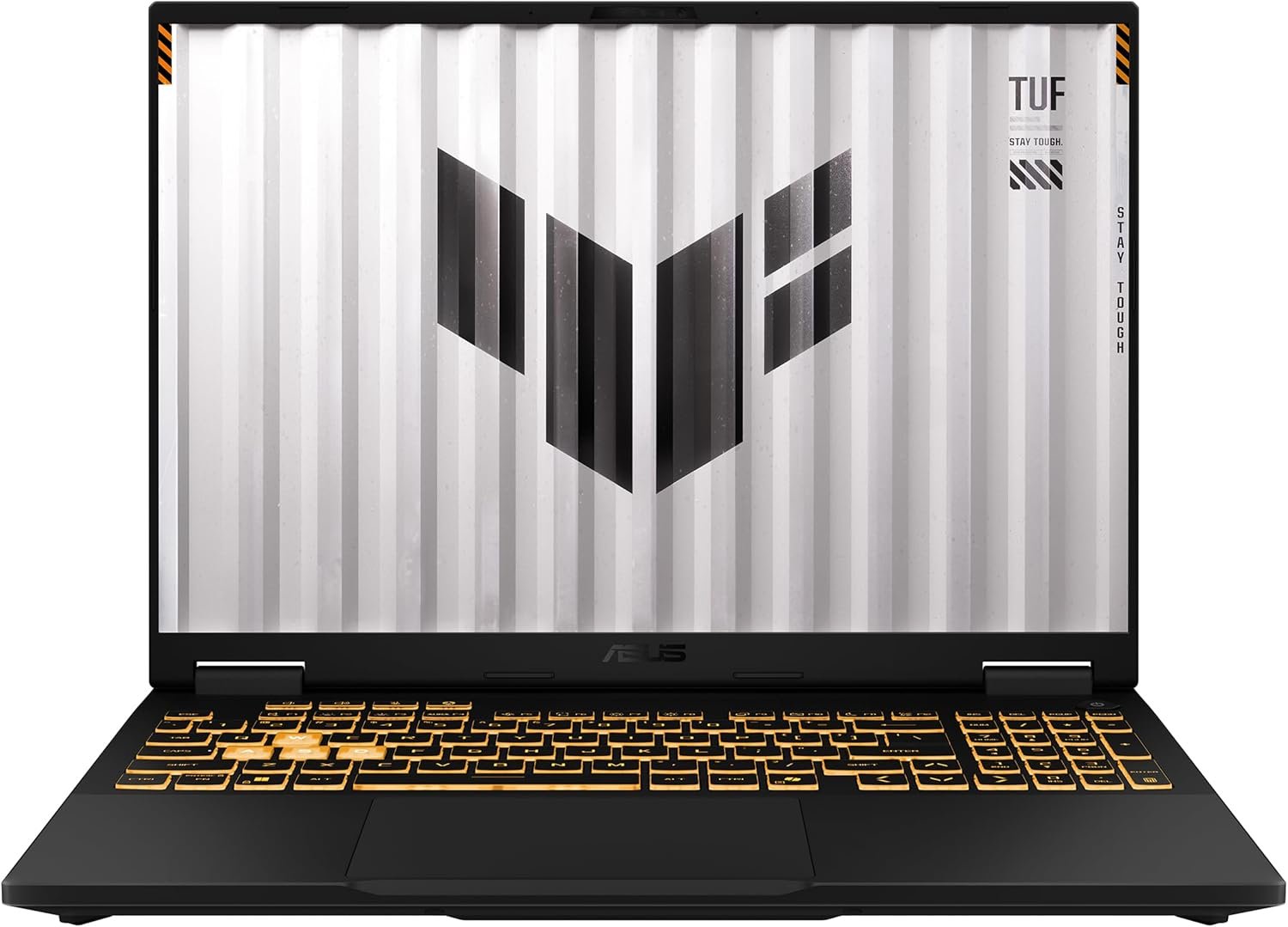
In the dynamic landscape of personal computing, gaming laptops have evolved from niche, bulky machines into sophisticated, versatile powerhouses. They represent a unique blend of high-performance components, advanced cooling systems, and specialized displays, all engineered to deliver an immersive digital experience. Unlike conventional notebooks, gaming laptops are purpose-built for tasks that demand significant computational and graphical horsepower, such as running the latest video games at high settings, complex 3D rendering, video editing, and advanced scientific simulations.
The need for such powerful devices stems from the ever-increasing demands of modern software and entertainment. Game developers continually push the boundaries of visual fidelity and interactive complexity, requiring hardware that can keep pace. Similarly, creative professionals in fields like animation, architecture, and graphic design rely on robust systems to handle memory-intensive applications and render intricate projects efficiently. This convergence of gaming and professional use cases has positioned gaming laptops as a critical tool for a broad spectrum of users who cannot compromise on performance.
The ASUS TUF Gaming F16 (2025) positions itself squarely within this vibrant market segment. As a member of ASUS’s renowned TUF (The Ultimate Force) series, it embodies a philosophy of durability, reliability, and performance at a competitive price point. This model is designed to offer a balanced approach, integrating a capable processor with a dedicated graphics card and a high-refresh-rate display, all while adhering to the TUF series’ reputation for robust build quality. It aims to cater to both avid gamers and demanding creators who require a machine that can handle intensive workloads without faltering, without necessarily venturing into the ultra-premium tier.
The ASUS TUF Gaming F16 (2025) is a robust gaming laptop featuring an Intel Core i5-13450HX processor and an NVIDIA GeForce RTX 5050 GPU with a 115W TGP, delivering solid performance for both gaming and demanding creative applications on its 16-inch FHD+ 165Hz display.
Sponsored affiliate link • Real-time details and availability on Amazon
At the heart of the ASUS TUF Gaming F16 (2025) lies the Intel Core i5-13450HX processor. This 13th Generation Intel chip is a robust offering, featuring 10 cores (6 P-cores and 4 E-cores) and 16 threads, with a base frequency of 2.4 GHz that can boost up to 4.6 GHz. This architecture is designed to handle demanding multi-threaded applications and provide solid single-core performance, making it well-suited for both gaming and productivity tasks. The HX series processors are typically found in more powerful laptops, indicating a focus on sustained performance rather than ultra-low power consumption. The substantial 20MB Intel Smart Cache further aids in quick data access, reducing latency for complex computations.
Complementing the powerful CPU is the NVIDIA GeForce RTX 5050 Laptop GPU. This dedicated graphics card is equipped with 8GB of GDDR7 memory and operates with a Total Graphics Power (TGP) of up to 115W (100W+15W Dynamic Boost). The higher TGP is a significant advantage, allowing the RTX 5050 to deliver strong performance that can rival or even surpass some higher-tier GPUs with more conservative power limits. This configuration makes the F16 capable of running modern AAA titles at FHD+ resolution with respectable frame rates, while also accelerating creative applications that leverage GPU computing, such as video rendering or 3D modeling. The inclusion of a MUX Switch and NVIDIA Advanced Optimus further enhances gaming performance by allowing direct GPU output to the display, bypassing the integrated graphics for reduced latency and improved frame rates.
The visual experience on the ASUS TUF Gaming F16 is delivered through a 16-inch FHD+ (1920 x 1200) IPS-level anti-glare display. This resolution, combined with the 16:10 aspect ratio, offers a slightly taller screen than traditional 16:9 panels, providing more vertical screen real estate which can be beneficial for both gaming and productivity. The 165Hz refresh rate is a crucial feature for gamers, ensuring incredibly smooth and responsive visuals, particularly in fast-paced titles. This high refresh rate significantly reduces motion blur and ghosting, giving players a competitive edge.
Beyond refresh rate, the display also incorporates NVIDIA G-Sync technology, which synchronizes the display’s refresh rate with the GPU’s frame rate. This eliminates screen tearing and minimizes stuttering, resulting in a buttery-smooth gaming experience. Furthermore, the display boasts excellent color accuracy with 100% sRGB and 75.35% Adobe color gamut coverage. This makes it suitable not just for vibrant gaming visuals but also for tasks that require precise color reproduction, such as graphic design, photo editing, and video production. The IPS-level panel ensures wide viewing angles and consistent color representation.
The ASUS TUF Gaming F16 comes equipped with 16GB of DDR5-5600 SO-DIMM RAM, configured as two 8GB modules in a dual-channel setup. DDR5 memory offers significant improvements in speed and bandwidth over previous generations, contributing to overall system responsiveness and faster loading times for applications and games. The laptop supports a maximum capacity of 64GB of RAM, providing ample headroom for future upgrades should user needs evolve to more memory-intensive tasks.
For storage, the F16 features a 512GB PCIe Gen4 NVMe M.2 SSD. This modern storage solution offers significantly faster read and write speeds compared to older SATA SSDs, resulting in near-instantaneous boot times and rapid loading of applications and games. While 512GB is a solid starting point, it’s important to note that modern game installations can be quite large. The laptop does offer upgrade potential, supporting up to a 2TB PCIe 4.0 NVMe M.2 SSD. However, a specific design consideration is that only single-sided M.2 SSDs are supported due to the layout of surface-mounted components near the motherboard’s M.2 slot. This is a vital detail for users planning future storage expansions.
Connectivity is a strong suit for the ASUS TUF Gaming F16, offering a comprehensive array of ports to accommodate various peripherals and external displays. It includes one Thunderbolt 4 port, which offers extremely high bandwidth (40Gbps) and supports DisplayPort and G-Sync, making it versatile for external monitors and high-speed data transfer. Additionally, there is one USB 3.2 Gen 2 Type-C port that also supports DisplayPort and power delivery, alongside three USB 3.2 Gen 2 Type-A ports, all capable of 10Gbps data speeds. For traditional external displays, an HDMI 2.1 FRL port is provided.
Network capabilities are robust with Wi-Fi 6E (802.11ax) for ultra-fast and stable wireless connections, complemented by a 2.5 Gbps RJ45 LAN port for wired networking, which is particularly beneficial for competitive online gaming where low latency is critical. Bluetooth 5.4 ensures seamless connection with wireless accessories like headphones and game controllers. Audio is handled by a 3.5mm combo audio jack, and the laptop features a 1080P FHD IR Camera with Windows Hello support for secure and convenient login. The RGB backlit keyboard adds a customizable aesthetic touch and enhances usability in low-light conditions.
| Specification | Value |
|---|---|
| Processor | Intel Core i5-13450HX (10 Cores, 16 Threads, up to 4.6 GHz) |
| Graphics Card | NVIDIA GeForce RTX 5050 Laptop GPU, 8GB GDDR7, 115W TGP |
| Display | 16-inch FHD+ (1920×1200) IPS, 165Hz, 16:10, G-Sync, MUX Switch |
| RAM | 16GB DDR5-5600 SO-DIMM (2x8GB, Max 64GB) |
| Storage | 512GB PCIe Gen4 NVMe M.2 SSD |
| Operating System | Windows 11 Home |
| Wireless Connectivity | Wi-Fi 6E (802.11ax) 2×2, Bluetooth 5.4 |
| Ports | 1x Thunderbolt 4 (DP/G-Sync), 1x USB 3.2 Gen 2 Type-C (DP/PD), 3x USB 3.2 Gen 2 Type-A, 1x HDMI 2.1 FRL, 1x RJ45 LAN, 1x 3.5mm Combo Audio Jack |
| Battery | 90WHrs, 4-cell Li-ion |
| Weight | 2.20 kg (4.85 lbs) |
| Dimensions | 35.4 x 26.9 x 1.79 ~ 2.73 cm |
| Webcam | 1080P FHD IR Camera for Windows Hello |
The primary utility of the ASUS TUF Gaming F16 lies in its capacity to deliver compelling gaming experiences. With its Intel Core i5-13450HX processor and the NVIDIA GeForce RTX 5050 Laptop GPU operating at a healthy 115W TGP, this machine is well-equipped to handle a wide array of modern video games. Users can expect to play popular titles at 1080p (FHD+) resolution with smooth frame rates, often leveraging technologies like NVIDIA’s DLSS (Deep Learning Super Sampling) to boost performance further without significant visual degradation. The 165Hz refresh rate display ensures that fast-paced action games feel incredibly fluid and responsive, providing a distinct advantage in competitive scenarios where every millisecond counts. The G-Sync compatibility further enhances this by eliminating screen tearing and stutter, leading to a more consistent and enjoyable visual experience.
Beyond frame rates and visual fluidity, the TUF Gaming F16 also contributes to an immersive gaming environment through its audio and connectivity. The built-in 2-speaker system with Dolby Atmos support and AI noise-canceling technology for the microphone helps to create a rich soundscape and clear communication during online multiplayer sessions. The robust Wi-Fi 6E and 2.5 Gbps LAN port ensure low-latency online gaming, minimizing frustrating lag. Whether it’s exploring vast open worlds, engaging in intense first-person shooter battles, or strategizing in real-time strategy games, the F16 provides the foundational hardware for a satisfying gaming journey.
While primarily a gaming laptop, the ASUS TUF Gaming F16’s powerful specifications extend its utility significantly into the realm of content creation and multimedia editing. The Intel Core i5-13450HX, with its 10 cores and 16 threads, provides ample processing power for tasks such as video encoding, photo manipulation, and audio production. Applications like Adobe Premiere Pro, Photoshop, and DaVinci Resolve can leverage both the multi-core CPU and the dedicated RTX 5050 GPU for accelerated rendering and processing. The 16GB of fast DDR5 RAM is a solid foundation for multitasking, allowing users to run several demanding applications simultaneously without significant slowdowns.
The 16-inch FHD+ display with 100% sRGB coverage is another critical asset for creators. Accurate color representation is paramount for tasks like color grading videos or ensuring print-ready photo edits. The larger 16:10 aspect ratio also provides a more expansive workspace, which can be particularly beneficial when working with timelines in video editors or large canvases in graphic design software. The fast PCIe Gen4 SSD ensures quick loading of large project files and swift saving, reducing bottlenecks in creative workflows. For aspiring YouTubers, streamers, or digital artists, the F16 offers a capable platform to bring their visions to life.
For students and professionals, the ASUS TUF Gaming F16 serves as a highly capable machine for everyday productivity and more intensive academic or work-related tasks. The Intel Core i5-13450HX processor easily handles typical office applications, web browsing with numerous tabs, and complex data analysis. The 16GB of DDR5 RAM ensures smooth transitions between applications and efficient handling of large documents or presentations. The 16-inch display, with its 16:10 aspect ratio, offers comfortable viewing and more screen real estate for working with multiple windows side-by-side, enhancing multitasking efficiency.
The robust connectivity options, including Wi-Fi 6E and multiple USB ports, facilitate seamless integration into various work and study environments. Users can easily connect external monitors, peripherals, and network storage devices. The inclusion of a 1080P FHD IR Camera with Windows Hello support is a practical feature for online meetings, virtual classes, and secure login, adding a layer of convenience and professionalism. While its gaming aesthetic might stand out in a professional setting, its underlying performance and features make it a versatile tool for demanding academic projects, software development, or general professional use where reliability and speed are valued.
The computational horsepower of the ASUS TUF Gaming F16 also makes it a viable option for certain engineering and design applications. Software like AutoCAD, SolidWorks, and other CAD/CAM programs can benefit from the multi-core processing of the i5-13450HX and the graphical acceleration provided by the RTX 5050. While not a workstation-class GPU, the RTX 5050 can significantly speed up tasks such as rendering complex 2D and 3D models, performing simulations, and working with large assemblies. The 16GB of DDR5 RAM is generally sufficient for moderate-sized projects, though larger, more intricate designs might benefit from a RAM upgrade to the maximum 64GB.
The high-resolution, color-accurate display is also an advantage for precise design work, allowing engineers and designers to view intricate details with clarity. The various high-speed ports, including Thunderbolt 4, enable quick transfer of large design files and connection to high-resolution external monitors for an expanded workspace. For students or professionals in fields like mechanical engineering, architecture, or product design who need a portable yet powerful machine for their software, the TUF Gaming F16 presents a cost-effective solution that can handle a considerable workload.
The ASUS TUF Gaming F16 (2025) is particularly well-suited for a specific demographic of users who require a blend of performance, durability, and value. This laptop is an excellent choice for mid-range gamers who want to play the latest titles at a comfortable FHD+ resolution with high refresh rates, without breaking the bank on a top-tier machine. Its powerful CPU and GPU combination, coupled with the 165Hz G-Sync display, provides a highly responsive and visually fluid gaming experience. The robust cooling system ensures that these components can perform optimally for extended periods, making it ideal for those who engage in long gaming sessions.
Beyond gaming, the F16 also caters to students and creative professionals on a budget. The Intel Core i5-13450HX and RTX 5050 are more than capable of handling demanding academic software, programming environments, and entry-to-mid-level content creation tasks such as video editing, graphic design, and 3D modeling. The color-accurate display is a significant advantage for these users. Its durable TUF chassis also means it can withstand the rigors of daily transport to classes or workplaces. It’s a versatile machine for individuals who need a single device that can transition seamlessly between work, study, and entertainment.
However, for certain user profiles, different laptop tiers might be more appropriate. For casual users who primarily browse the web, stream media, and perform basic office tasks, the F16’s powerful hardware might be overkill and unnecessary. A more affordable ultrabook or a less powerful general-purpose laptop would likely suffice, offering better battery life and portability. Conversely, hardcore competitive esports players or professional 3D animators/architects might find the F16’s specifications, particularly the RTX 5050, to be a limiting factor. These users often require the absolute highest frame rates, QHD or 4K displays, and workstation-grade GPUs (like RTX 5070/5080 or professional Quadro cards) for optimal performance and efficiency in highly demanding applications. For them, investing in a premium gaming laptop or a dedicated mobile workstation would yield better results.
The ASUS TUF Gaming F16 (2025) comes with a 512GB PCIe Gen4 NVMe M.2 SSD. While this offers excellent speed for booting the operating system and loading applications, 512GB can quickly become insufficient for gamers with extensive libraries or creative professionals working with large project files. Modern AAA games often require 50GB to 100GB or more each, meaning a few titles can fill up a 512GB drive rapidly. For users who anticipate needing more storage, this is a critical consideration.
Fortunately, the laptop does support storage upgrades up to a 2TB PCIe 4.0 NVMe M.2 SSD. However, an important nuance to remember is the physical limitation: only single-sided M.2 SSDs are compatible due to the internal layout. Before purchasing an upgrade drive, users must verify that it is indeed a single-sided module to avoid compatibility issues. Planning for a storage upgrade upfront, if needed, will enhance the long-term utility of the laptop, allowing for a more expansive collection of games, software, and creative assets.
Gaming laptops, by their nature, are not typically renowned for their extended battery life, and the ASUS TUF Gaming F16 is no exception. Equipped with a 90WHrs, 4-cell Li-ion battery, it offers a respectable capacity for a gaming machine, but real-world endurance will vary significantly based on usage. Intensive tasks like gaming or video rendering will drain the battery much faster than light web browsing or document editing. While some sources suggest up to 10 hours under very specific, light-use conditions, users should realistically expect shorter durations for typical mixed usage.
At 2.20 kg (4.85 lbs) and with dimensions of 35.4 x 26.9 x 1.79 ~ 2.73 cm, the F16 is not the lightest or slimmest laptop on the market. While manageable for occasional transport, its weight and size might be a factor for individuals who commute frequently or require extreme portability. Users who prioritize all-day battery life or ultra-light designs for constant travel might need to consider alternative options, potentially sacrificing some raw performance. For most users, however, it strikes a reasonable balance between screen size, performance, and portability for a gaming-centric device.
Effective cooling is paramount for any high-performance laptop, especially gaming models, to ensure sustained performance and component longevity. The ASUS TUF Gaming F16 features an advanced cooling configuration, a hallmark of the TUF series, designed to manage the heat generated by its Intel Core i5-13450HX processor and 115W NVIDIA GeForce RTX 5050 GPU. This system typically involves multiple fans, heat pipes, and strategically placed vents to dissipate heat efficiently and prevent thermal throttling, which can degrade performance during intense workloads.
Despite robust cooling, users should be aware that gaming laptops can still generate significant heat and fan noise under heavy load. It is advisable to use the laptop on a hard, flat surface to ensure unobstructed airflow to the intake vents. For prolonged gaming sessions or demanding tasks, external cooling pads can be considered to further enhance thermal management. Understanding and managing the laptop’s thermal behavior is key to maximizing its performance and ensuring a comfortable user experience over time, preventing any potential performance dips due to overheating.
Sponsored affiliate link • Real-time details and availability on Amazon
Entry-level gaming laptops typically feature less powerful components, such as older generation Intel Core i3/i5 or AMD Ryzen 3/5 processors, and GPUs like NVIDIA’s GTX 1650 or lower-tier RTX models (e.g., RTX 3050 with lower TGP). These machines are designed for casual gaming at lower settings or for playing older titles, often with 60Hz or 120Hz displays. While more affordable, they may struggle with modern AAA games at higher settings and might not offer the same level of future-proofing or versatility for demanding creative tasks. Their cooling solutions are also generally less sophisticated, potentially leading to thermal throttling during extended use.
The ASUS TUF Gaming F16, with its Intel Core i5-13450HX and a robust 115W RTX 5050, clearly surpasses the entry-level category. It offers significantly better processing power and graphical capabilities, allowing for a much wider range of games to be played smoothly at higher settings and frame rates on its 165Hz G-Sync display. Its advanced cooling and durable build quality also provide a more reliable and comfortable experience. For users seeking a true mid-range gaming experience that can also handle serious productivity, the F16 represents a substantial upgrade over basic entry-level options.
High-end gaming laptops represent the pinnacle of portable performance, often featuring top-tier processors like Intel Core i7/i9 or AMD Ryzen 7/9, paired with powerful GPUs such as the NVIDIA RTX 5070, RTX 5080, or even RTX 5090, often with very high TGP configurations. These machines typically boast QHD or 4K displays with refresh rates up to 240Hz or higher, offering unparalleled visual fidelity and fluidity. They also come with more advanced cooling systems, premium build materials, and larger RAM/SSD configurations, but at a significantly higher price point.
The ASUS TUF Gaming F16, while a strong performer in its segment, is not designed to compete directly with these high-end beasts. Its RTX 5050, despite its efficient 115W TGP, cannot match the raw power of an RTX 5070 or above, especially at higher resolutions like QHD or 4K. High-end laptops cater to enthusiasts who demand uncompromised performance, maxed-out settings in all games, and the fastest possible frame rates, often for competitive esports or professional-grade content creation. The F16 offers a more pragmatic balance of performance and cost, making it an excellent value proposition for users who need strong performance but don’t require the absolute bleeding edge.
Mainstream laptops and ultrabooks are designed for general productivity, portability, and battery life, rather than raw computational power. They typically feature integrated graphics or very low-power discrete GPUs, along with energy-efficient processors (e.g., U-series Intel Core i5/i7 or AMD Ryzen 5/7). Their displays usually have standard 60Hz refresh rates, and their form factors prioritize thinness and lightness. While excellent for everyday tasks, web browsing, and media consumption, they are generally unsuitable for demanding gaming or heavy content creation due to their limited graphical capabilities and cooling systems.
The ASUS TUF Gaming F16 fundamentally differs from mainstream laptops and ultrabooks by prioritizing performance. While it can handle everyday productivity with ease, its robust CPU, dedicated RTX 5050 GPU, and advanced cooling are specifically engineered for intensive workloads. The F16 offers a significantly more powerful platform for gaming, creative applications, and tasks requiring substantial processing or graphical power. For users whose primary needs include gaming or professional creative work, the F16 provides the necessary hardware that mainstream laptops simply cannot. However, the trade-off is often in terms of weight, thickness, and battery life when compared to ultra-portable alternatives.
The NVIDIA GeForce RTX 5050 Laptop GPU in the ASUS TUF Gaming F16 is configured with a potent 115W Total Graphics Power (TGP), which is a key factor in its gaming capabilities. This higher TGP allows the GPU to operate closer to its maximum potential, delivering strong performance for modern games at 1080p (FHD+) resolution. Users can expect smooth frame rates in many titles, especially when leveraging NVIDIA technologies like DLSS. It’s an entry-level RTX card, but its robust power delivery helps it punch above its weight class, leveling the playing field against some higher-tier GPUs with lower TDPs. [tomshardware.com]
Yes, the 16-inch FHD+ (1920 x 1200) IPS-level display with a 165Hz refresh rate and G-Sync support is highly suitable for both gaming and creative tasks. The 165Hz refresh rate ensures fluid motion for gaming, while G-Sync minimizes screen tearing. For creative work, the display boasts 100% sRGB and 75.35% Adobe color gamut coverage, providing accurate color representation which is crucial for photo and video editing, as well as graphic design. The 16:10 aspect ratio also offers more vertical screen real estate, beneficial for productivity applications. [asus.com]
The ASUS TUF Gaming F16 comes with a 512GB PCIe Gen4 NVMe M.2 SSD, offering fast boot times and data transfer speeds. While 512GB is a decent starting point, modern games and applications can quickly fill this space. The laptop does support storage upgrades, with a maximum capacity of up to 2TB PCIe 4.0 NVMe M.2 SSD. However, it’s important to note that due to surface-mounted components near the motherboard’s M.2 slot, only single-sided SSDs are supported for expansion. This is a crucial detail for users planning future storage enhancements. [asus.com]
The ASUS TUF Gaming F16 is equipped with a 90WHrs, 4-cell Li-ion battery. ASUS states that factors such as laptop configuration, power settings, and usage patterns significantly affect battery life. While a precise ‘up to X hours’ claim can be misleading due to these variables, gaming laptops generally offer shorter battery endurance compared to ultrabooks. For typical web browsing and light productivity tasks, users might experience several hours of use, but intensive gaming will drain the battery much faster. For optimal gaming performance, it is generally recommended to keep the laptop plugged in. Some sources suggest up to 10 hours under specific, light-use scenarios. [newegg.com]
Yes, the ASUS TUF Gaming F16 (2025) is equipped with both a MUX Switch and NVIDIA Advanced Optimus technology. A MUX Switch allows the laptop to directly route frames from the dedicated NVIDIA GPU to the display, bypassing the integrated graphics. This can significantly improve gaming performance by reducing latency and increasing frame rates. Advanced Optimus takes this a step further by intelligently switching between integrated and dedicated graphics automatically based on the workload, optimizing for either performance or battery life without requiring a system restart. This combination ensures users can get the best performance when needed and conserve power when not gaming. [asus.com]
The ASUS TUF Gaming F16 incorporates a comprehensive cooling configuration designed to manage the thermals of its powerful CPU and GPU. While specific details on fan count or heat pipe layout are not always fully disclosed without a teardown, the TUF series is known for its robust cooling solutions, often including multiple heat pipes and fans, along with a dust-resistant design. This advanced cooling is crucial for maintaining stable performance during extended gaming sessions and heavy workloads, preventing thermal throttling and ensuring the components operate efficiently. [asus.com]
Yes, the ASUS TUF Gaming F16 offers upgradeable RAM. It comes with 16GB of DDR5-5600 SO-DIMM memory, typically configured as two 8GB modules. The system supports dual-channel memory technology and has a maximum capacity of 64GB. This means users can upgrade the RAM in the future if their needs evolve, ensuring the laptop remains capable for more demanding applications or multitasking scenarios. [asus.com]
The ASUS TUF Gaming F16 provides a comprehensive suite of connectivity options. It includes one Thunderbolt 4 port with DisplayPort and G-Sync support, one USB 3.2 Gen 2 Type-C port that also supports DisplayPort and power delivery, and three USB 3.2 Gen 2 Type-A ports, all offering data speeds up to 10Gbps. For external displays, there’s an HDMI 2.1 FRL port. Network connectivity is handled by Wi-Fi 6E (802.11ax) and a 2.5 Gbps RJ45 LAN port, ensuring fast and stable wired and wireless connections. Bluetooth 5.4 is also included for peripheral pairing. A 3.5mm combo audio jack completes the audio connectivity. [asus.com]
The ASUS TUF Gaming F16 (2025) emerges as a highly competitive and well-rounded gaming laptop within its segment. It successfully balances robust performance with the renowned durability of the TUF series, making it a compelling option for a broad audience. The combination of the Intel Core i5-13450HX processor and the NVIDIA GeForce RTX 5050 GPU, particularly with its generous 115W TGP, ensures that the laptop can handle the demands of modern gaming at FHD+ resolutions with impressive fluidity. The 16-inch 165Hz G-Sync display further enhances this experience, providing both visual smoothness and color accuracy that extends its utility beyond just gaming into creative and professional applications. This machine is built to be a reliable workhorse, capable of tackling diverse digital tasks.
For potential buyers, understanding their core needs is crucial. If the primary goal is a capable gaming machine that can also serve as a strong platform for content creation, academic work, or light engineering tasks, the TUF Gaming F16 offers significant value. Its upgradeable RAM and storage (with the caveat of single-sided SSD compatibility) provide flexibility for future enhancements, extending its lifespan and adaptability. While it may not offer the extreme portability of an ultrabook or the absolute top-tier performance of a premium gaming rig, it strikes an intelligent balance, delivering a powerful experience without the prohibitive cost associated with flagship models. Its comprehensive connectivity options and advanced cooling system further solidify its position as a dependable daily driver.
Ultimately, the ASUS TUF Gaming F16 (2025) stands as a testament to ASUS’s commitment to delivering performance and resilience. It is an informed choice for conscious consumers and discerning buyers who seek a gaming laptop that is not only powerful enough for immersive gaming but also versatile and durable enough to handle a variety of intensive workloads. By carefully considering its specifications, practical applications, and the aspects to keep in mind, users can confidently assess if this particular model aligns with their performance expectations and usage patterns, ensuring a satisfying and productive computing experience for years to come.
Sponsored affiliate link • Real-time details and availability on Amazon
*Product availability, detailed specifications, bundled accessories, and shipping conditions are subject to real-time updates on Amazon.