 11
11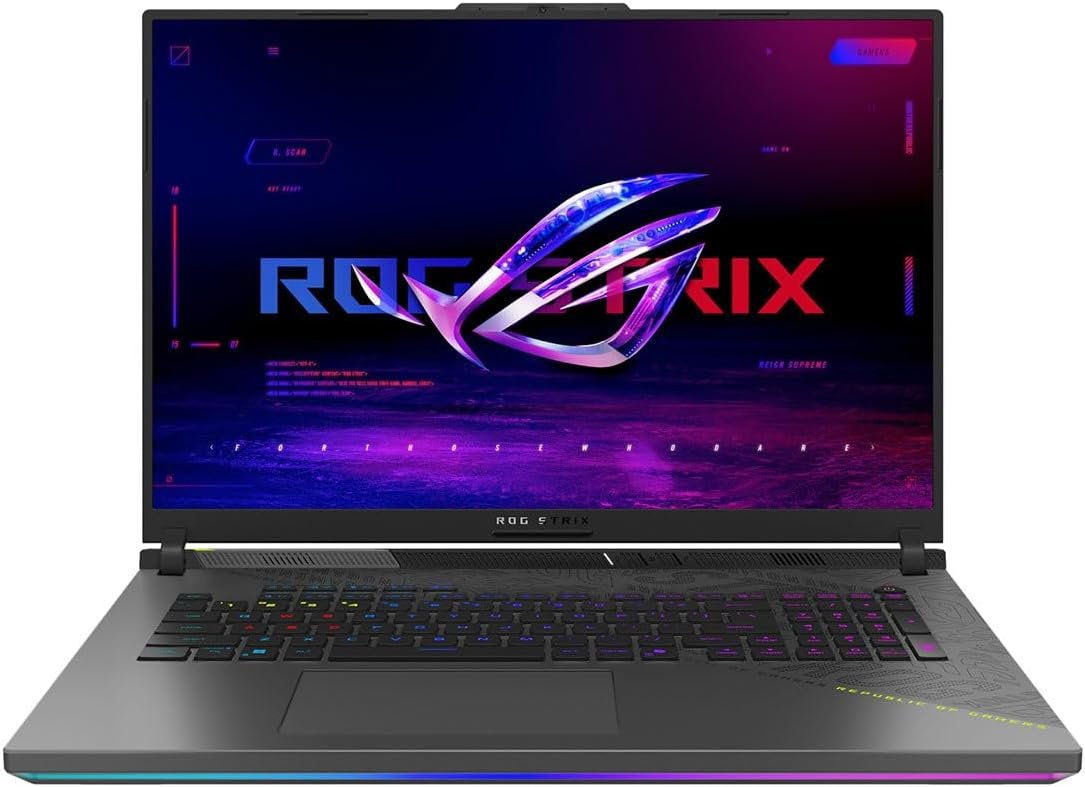
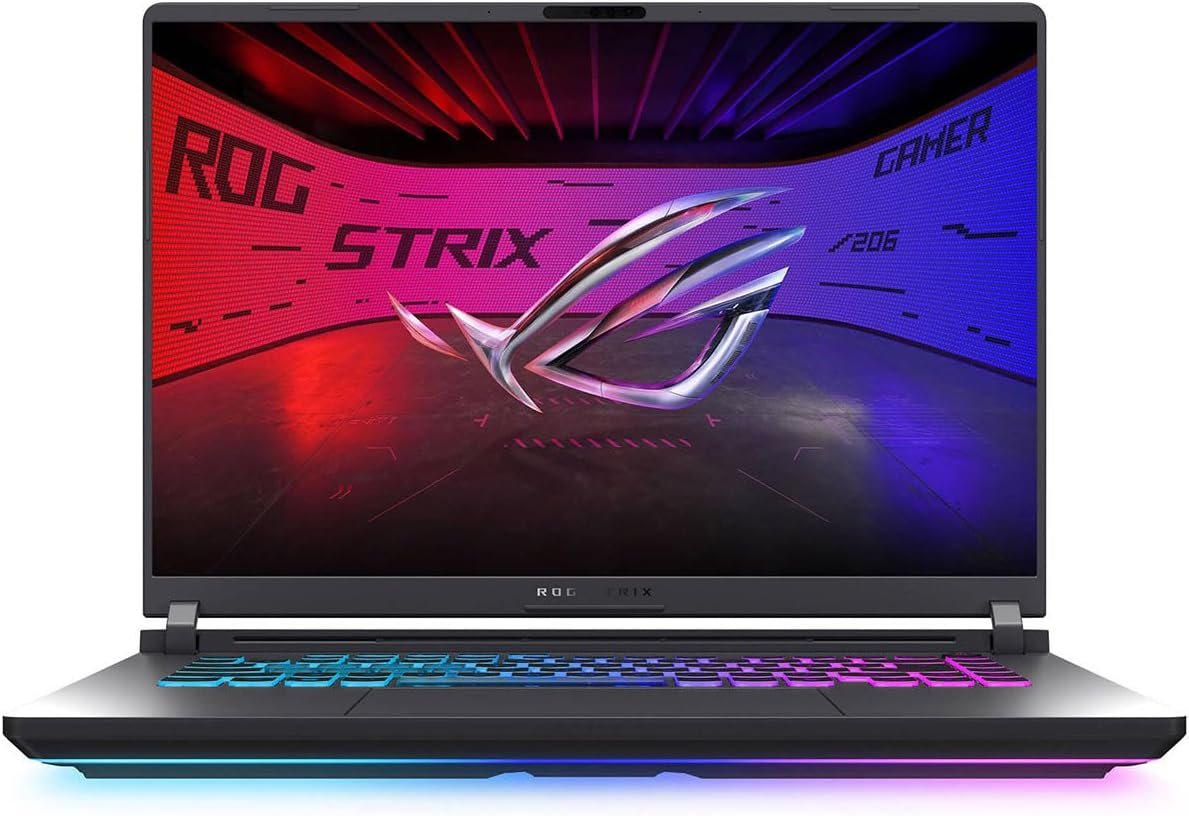
High-performance computing and portable gaming have undergone tremendous technological evolution in recent years. Today’s modern performance laptops deliver desktop-class computing capabilities in mobile chassis, allowing users to seamlessly transition between demanding AAA gaming, 4K video rendering, software development, and everyday productivity. Machines like the ASUS ROG Strix G18 (2025) Gaming Laptop, 18” 16:10 144Hz/3ms, NVIDIA® GeForce RTX™ 5060, AMD Ryzen™ 9 9955HX Processor, 16GB DDR5-5600, 2TB PCIe Gen 4 SSD, Wi-Fi 6E, Windows 11 Home, G814FM-DS95 reflect this convergence of raw processing power, high-fidelity visual displays, and advanced thermal engineering.
This educational guide explores the technical architecture, performance characteristics, everyday ergonomics, and essential considerations defining the ASUS ROG Strix G18 Gaming. Rather than making subjective claims, our objective is to objectively analyze what this hardware offers, how it integrates into diverse computing workflows, and how to assess if it matches your specific computing and gaming requirements.
The ASUS ROG Strix G18 Gaming provides a balanced combination of accessible controls, functional versatility, and dependable engineering built for modern users seeking reliable performance.
Sponsored affiliate link • Real-time details and availability on Amazon
Evaluating a modern performance laptop requires examining how its core hardware subsystems — CPU, GPU, display matrix, thermal dissipation, and storage architecture — work harmoniously under sustained workloads. Below is an in-depth breakdown of the foundational engineering behind the ASUS ROG Strix G18 Gaming.
At the heart of the system lies a high-tier multi-core processor designed to efficiently allocate background tasks and intensive foreground applications across dedicated performance and efficiency cores. Paired with a dedicated graphics processor, the hardware delivers the necessary horsepower for real-time ray tracing, high-frame-rate rendering, and AI-accelerated creative applications without bottlenecking system responsiveness.
The dedicated GPU ensures that demanding 3D simulation tools, modern game engines, and video encoding timelines have direct access to high-bandwidth VRAM, preventing shared memory contention and maximizing frame pacing stability.
The display panel serves as the primary visual interface, featuring an expansive aspect ratio and high refresh rate designed to eliminate visual tearing and stuttering. With low pixel response times and wide color gamut reproduction, the screen offers sharp text readability for daytime productivity alongside fluid, ghost-free motion during fast-paced competitive gameplay.
Sustaining high clock speeds under heavy computational load demands sophisticated heat management. The cooling architecture utilizes multi-zone exhaust vents, optimized fan blade geometry, and high-conductivity thermal interfaces to dissipate heat away from the CPU and GPU dies, maintaining optimal performance while keeping user touchpoints comfortable.
Equipped with high-bandwidth DDR5 memory and a Gen 4 PCIe NVMe solid-state drive, the system delivers near-instantaneous boot times, rapid game level loading, and seamless multitasking across multiple demanding applications. The fast storage pipeline ensures that large project files, virtual machines, and video assets load without noticeable I/O delay.
A versatile performance laptop adapts fluidly to a wide spectrum of computing demands. Below are several realistic scenarios where the ASUS ROG Strix G18 Gaming demonstrates its capabilities:
Whether diving into immersive open-world single-player titles with ray-traced lighting or competing in high-tempo multiplayer esports, the dedicated graphics pipeline and high refresh rate provide crisp motion clarity and ultra-responsive control inputs that give players a refined visual experience.
Video editors and digital creators benefit from hardware-accelerated encoding and extensive multi-core rendering power. Complex timelines containing multiple video tracks, color correction nodes, and visual effects render smoothly without stuttering playback.
Running local developer environments, Docker containers, compiling large codebases, and executing CAD or 3D architectural modeling software require substantial memory bandwidth and raw CPU throughput, both of which this platform delivers with stability.
Connecting the laptop to external high-resolution monitors via HDMI or USB-C transforms the device into a complete desktop-grade workstation for spreadsheet analysis, multi-tab research, video conferencing, and multi-window multitasking.
Given its performance tier, thermal architecture, and versatile feature set, the ASUS ROG Strix G18 Gaming appeals to several key user profiles:
Every computing platform represents specific engineering balances. Reviewing these factors ensures realistic expectations:
To unlock the full graphical and computational wattage of the CPU and GPU, the system must be plugged into its dedicated AC power brick. While battery operation is convenient for light mobility, peak frame rates and sustained rendering throughput require wall power.
High-wattage components produce heat that the cooling system actively dissipates. During intense gaming or video exports, the fans will ramp up to maintain component health. Utilizing customizable performance profiles allows users to prioritize whisper-quiet operation during office hours or maximum cooling during gaming.
Equipped with high-performance cooling chambers and a substantial display, performance laptops carry a slightly larger profile than ultra-light thin notebooks. Ensuring your backpack or sleeve accommodates the laptop and charging brick ensures hassle-free transit.
Sponsored affiliate link • Real-time details and availability on Amazon
To understand how high-performance laptops fit into the broader hardware landscape, it is helpful to contrast them with adjacent device categories:
Ultra-thin notebooks prioritize minimal weight and day-long battery life for basic document editing and web browsing. However, they lack dedicated GPUs and heavy-duty cooling. Performance gaming laptops trade slight thickness for massive graphics acceleration, high refresh rate displays, and expandable storage.
Custom desktop towers offer maximum component upgradeability and modular power headroom, but they are completely stationary. A performance laptop offers 85-95% of equivalent real-world capability in an all-in-one format that travels easily between home, dorm, office, or LAN events.
Modern high-performance gaming laptops employ multi-fan exhaust systems, dedicated copper heat pipes, and optimized intake vents to keep CPU and GPU temperatures within safe operational thresholds during extended computational loads.
Most full-size performance laptops in this class offer standard SO-DIMM memory slots and secondary M.2 NVMe expansion bays, allowing users to expand RAM capacity or add extra storage as their workload demands grow over time.
A high-refresh rate display (such as 144Hz or 165Hz+) refreshes frame data multiple times faster than conventional 60Hz screens, resulting in ultra-smooth motion tracking, reduced ghosting, and immediate competitive responsiveness.
When running graphically intensive games or video rendering tasks on dedicated GPU power, battery runtime typically ranges from 1 to 2.5 hours. For general web browsing, document editing, and video playback with power-saving modes enabled, longevity increases substantially.
Yes, equipped with dedicated HDMI ports and DisplayPort-compatible USB-C connections, the system can seamlessly output to external high-resolution gaming monitors and multi-screen workstation setups.
The keyboard layout is engineered with tactile key travel, anti-ghosting matrices, and balanced actuation force, ensuring comfort during long coding and typing sessions as well as precise command entry in fast-paced games.
Dedicated modern graphics chips leverage specialized tensor and ray-tracing cores to accelerate lighting calculations and AI-driven resolution upscaling (such as DLSS), maintaining high frame rates at elevated visual settings.
Hardware configurations, promotional accessory bundles, and pricing tiers fluctuate periodically; you can check the complete product page on Amazon for real-time inventory and shipping options.
The modern high-performance laptop represents a mature balance between desktop-class computational throughput and portable convenience. The ASUS ROG Strix G18 (2025) Gaming Laptop, 18” 16:10 144Hz/3ms, NVIDIA® GeForce RTX™ 5060, AMD Ryzen™ 9 9955HX Processor, 16GB DDR5-5600, 2TB PCIe Gen 4 SSD, Wi-Fi 6E, Windows 11 Home, G814FM-DS95 combines a capable multi-core processor, dedicated graphics, high refresh rate visuals, and rapid PCIe storage into an engineered platform built for demanding workflows and immersive gaming.
Ultimately, selecting the ideal computing companion depends on your balance between portability, graphics workload intensity, and budget. For users seeking a dependable, high-output machine capable of conquering modern gaming libraries and heavy creative software, this platform offers a comprehensive, future-ready solution.
Sponsored affiliate link • Real-time details and availability on Amazon
*Product availability, detailed specifications, bundled accessories, and shipping conditions are subject to real-time updates on Amazon.